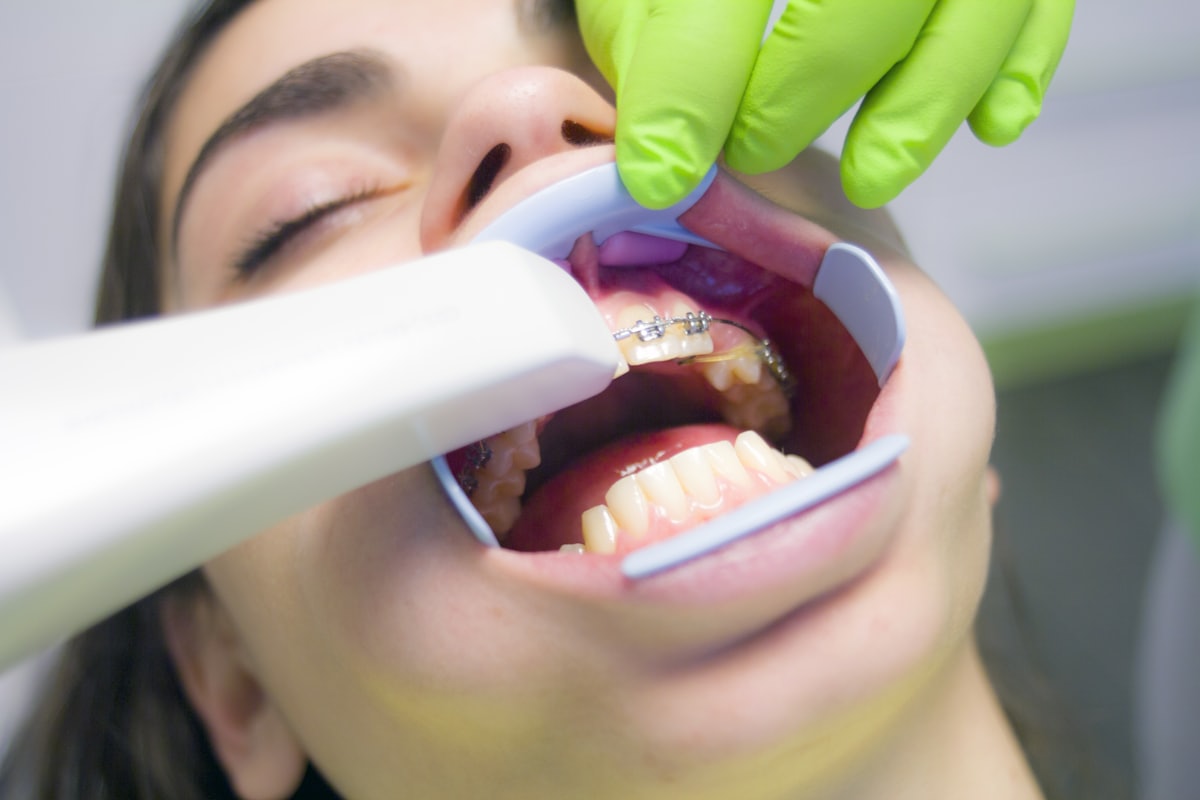
Jaw pain is one of the strangest problems to live with, because it rarely announces itself as jaw pain. It shows up as a headache behind the eyes. A sore ear that your doctor says is not infected. A neck that will not loosen up. A click when you yawn that your spouse can hear across the room. People put up with this for years before anyone connects it to the joint sitting an inch in front of each ear.
That joint is the temporomandibular joint, or TMJ. When something goes wrong with it or the muscles around it, the umbrella term is TMD — temporomandibular disorder. This guide walks through what is actually happening, how we figure out which version you have, and what the treatment looks like in practice. No scare tactics, and no suggestion that everyone with a clicking jaw needs expensive work.
The short version
- Most jaw pain is muscle strain, not a damaged joint — and muscles respond well.
- Start with the reversible options: a night guard, habit changes, heat and rest.
- Clicking without pain or locking usually needs watching, not treating.
- Bring a list of when your jaw hurts worst — morning, evening, or chewing.
What the joint does, and what usually goes wrong
Your TMJ is unusual. It hinges like a door and slides forward at the same time, and there are two of them working as a pair, so neither can move without the other. A small cartilage disc cushions the joint, and a web of muscles across your temples, cheeks and jaw does the lifting. It is a busy piece of equipment — you use it every time you eat, speak, swallow or yawn.
Problems fall into roughly three buckets, and they overlap:
- Muscle strain — by far the most common. Clenching and grinding overwork the chewing muscles the way a long run overworks your calves. The joint itself is fine; the muscles are exhausted and tender.
- Disc displacement — the cushioning disc slips slightly out of position and snaps back as you open. This is what produces most clicking and popping.
- Joint inflammation or arthritis — genuine wear inside the joint surface. Less common, and more likely with age or after an injury.
This matters because the treatments are different. Treating a muscle problem as though it were a joint problem is how people end up frustrated and no better off.

Signs worth paying attention to
Not every noise from your jaw needs treating. A click with no pain, no locking and no change over time is often just how your joint moves. The things that are worth mentioning at an appointment:
- Waking up with a tight, tired jaw or a dull headache at the temples
- Pain that worsens through the day, or specifically when chewing steak, bagels or gum
- Your jaw catching, locking, or opening crooked
- Teeth that look flattened, chipped at the edges, or are becoming sensitive
- Ear fullness or ringing with a clean bill of health from your physician
- A bite that suddenly feels different — like your teeth no longer meet where they used to
If several of those sound familiar, our guide to telling bite-related jaw pain from other causes goes deeper into the pattern-spotting.
What a TMD appointment actually involves
Diagnosis here is mostly hands and questions, not machinery. Here is the usual order of things:
- The history. When does it hurt, how long has it been going on, what makes it better or worse, what else is going on in your life. Stress, sleep quality and new medications all belong in this conversation.
- Range of motion. We measure how wide you open, whether your jaw tracks straight, and where it deviates.
- Palpation. We press along the chewing muscles, temples and the joint itself. You tell us what is tender. This single step separates muscle problems from joint problems more reliably than anything else.
- The bite exam. Marking paper shows where your teeth hit first and whether one contact is carrying more load than the rest.
- Imaging if warranted. X-rays or a 3D scan when we suspect something structural. Not routine for straightforward muscle pain.
You leave knowing which bucket you are in. If this would be your first time with us, what the first visit looks like minute by minute is laid out separately.
The treatments, from least invasive upward
Good TMD care starts with things that are reversible and cheap, and only escalates if those do not work. That order is deliberate.
- A custom night guard. The workhorse. Worn while you sleep, it stops the teeth from grinding against each other and gives the muscles a flatter, more even surface to rest on. Most people report less morning tightness within a few weeks.
- Habit awareness. Daytime clenching is extremely common and almost entirely unconscious. Simple cues — lips together, teeth apart — work better than people expect.
- Heat, stretching and soft foods. A short break from chewy, crunchy, wide-opening foods lets an inflamed joint calm down.
- Bite adjustment. Careful reshaping of a single high contact, when one exists, can quiet a whole system.
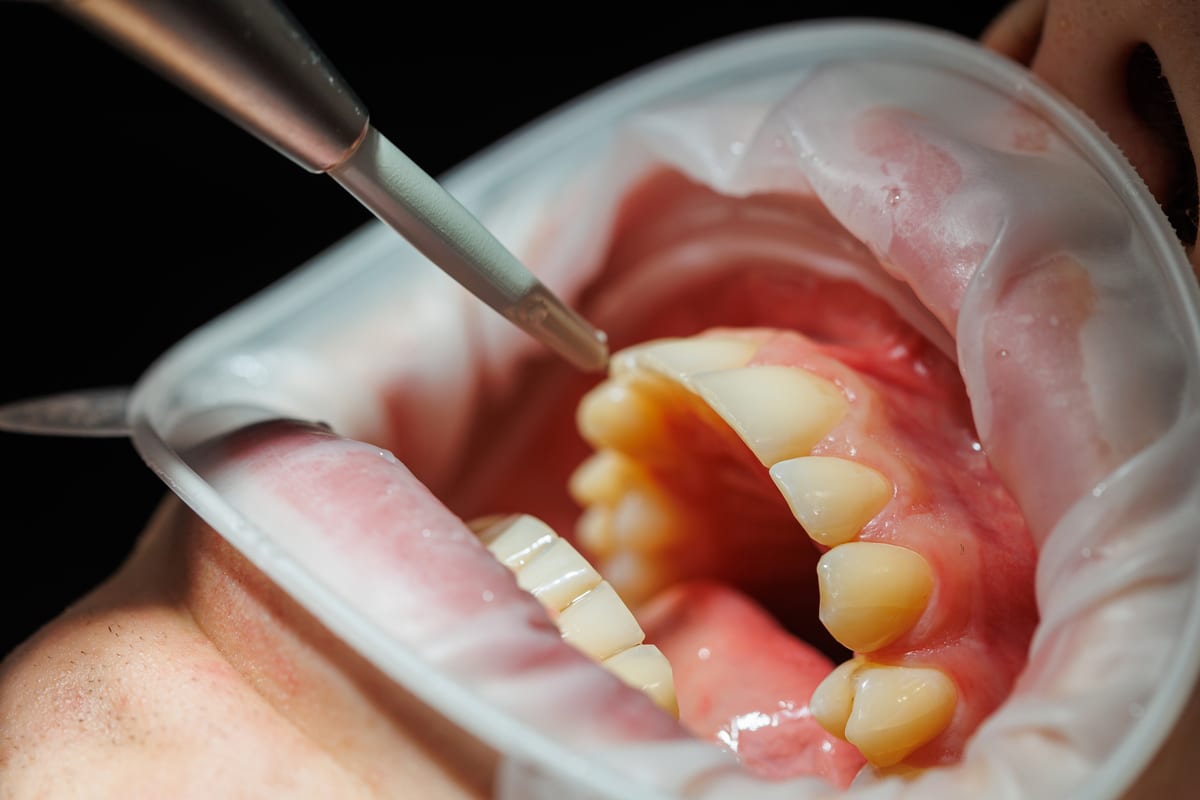
- Fixing the underlying bite. Sometimes teeth meet badly because teeth are missing, crowded or worn down. In those cases straightening the teeth or rebuilding worn surfaces is what finally takes the strain off.
- Referral. For confirmed internal joint damage, we work with oral surgeons and orofacial pain specialists rather than guessing.
You can read how we approach the full range on our TMD and TMJ treatment page.
What we will not tell you
We will not tell you that every headache is a bite problem, that you need full-mouth reconstruction to fix a click, or that one appliance cures everyone. TMD is genuinely multifactorial — stress, sleep, posture, arthritis and bite all contribute in different proportions for different people. Honest care means saying when something is outside the scope of dentistry, and saying so early rather than after you have spent money.
If your jaw has been bothering you and you are tired of being told it is nothing, come in and let us actually look. Getting in touch takes a minute, and an exam will tell you more than another year of wondering.
Common questions
Does TMJ treatment require surgery?
For the large majority of people, no. Conservative care — a custom night guard, bite adjustment, muscle therapy and habit changes — resolves or substantially reduces symptoms. Surgery is reserved for a small number of cases with confirmed structural joint damage, and it comes after imaging and a specialist opinion.
Can a dentist treat TMJ, or do I need a specialist?
A general dentist is usually the right first stop, because the bite, the teeth and the chewing muscles are all part of the picture. If your exam points to something inside the joint itself, we refer you to an oral surgeon or orofacial pain specialist with our findings already in hand.
Will a store-bought mouth guard work as well as a custom one?
A boil-and-bite guard can protect enamel from grinding, but it is bulky and does not control how your teeth meet. Some people find the thickness makes them clench harder. A custom guard is thinner, fits one way only, and is built to the measurements of your own bite.
How long does it take to feel better?
Many people notice less morning soreness within two to four weeks of wearing a night guard. Muscles that have been strained for years can take a few months to fully settle. If nothing has changed after six to eight weeks, that is useful information and the plan should be revisited.