
Almost nobody walks into a dental office hoping to hear the words "root canal." The phrase has picked up a reputation over the decades that has very little to do with what the appointment is actually like. If someone has told you that you need one, you're probably somewhere between worried and annoyed, and you'd like a straight answer about what's involved.
Here it is, start to finish — what the procedure does, what you'll feel, what happens afterward, and how to think about whether it's the right call for your tooth.
The short version
- A root canal removes infected nerve tissue — it relieves pain, it doesn't cause it.
- Modern numbing means most people feel pressure and vibration, not sharp pain.
- A back tooth almost always needs a crown afterward to keep it from cracking.
- Saving your own tooth is usually simpler and cheaper than replacing it later.
What a root canal actually is
Inside every tooth there's a hollow space running down the middle and into each root. That space holds the pulp: nerve tissue, blood vessels, and connective tissue. When decay gets deep enough, or a tooth cracks, or an old filling starts leaking, bacteria reach that pulp and it becomes inflamed or infected.
That's where the pain comes from. Pulp tissue is sealed inside hard walls with nowhere to swell, so the pressure builds and the nerve lets you know about it. Left alone, the infection travels out of the root tip and into the bone, which is how you end up with an abscess and a swollen face.
A root canal removes that tissue. We open the top of the tooth, clean out the canals, disinfect them, shape them, and fill them with a sealing material. The procedure takes away the source of the pain — it isn't the cause of it. What hurt was the infection you walked in with. Our page on root canal therapy in Mansfield covers the clinical side in more detail if you want it.
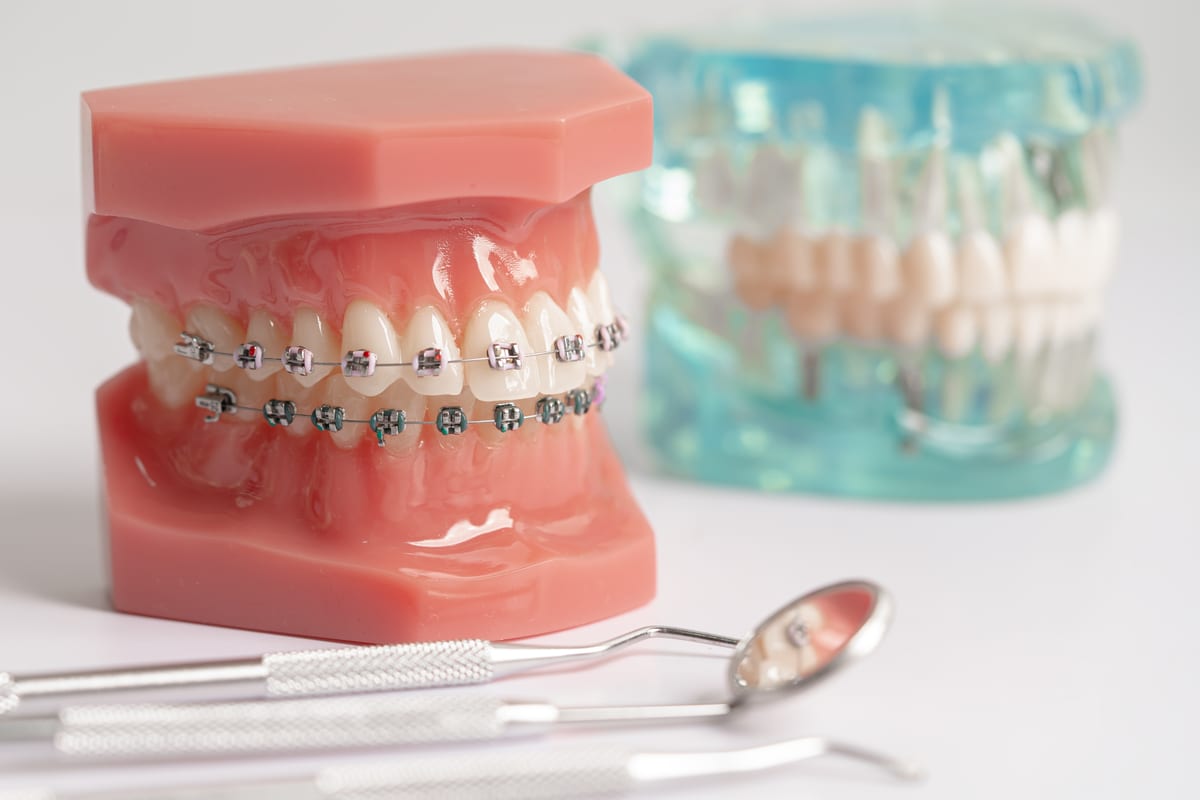
Signs the pulp is in trouble
Not every toothache means a root canal, and not every tooth needing one hurts. These are the things worth getting looked at:
- A throbbing ache that keeps going after the trigger is gone — especially pain that wakes you up
- Lingering sensitivity to heat, or cold that hurts for more than a few seconds afterward
- Pain when you bite down on one particular tooth
- A pimple-like bump on the gum near a tooth root, which may drain and taste unpleasant
- A tooth that has darkened compared to its neighbors
- Swelling in the gum, cheek, or jaw
Sensitivity alone is often something much simpler. We've written separately about why teeth react to cold, and most of those causes don't involve the nerve at all. Swelling, though, is never something to wait out — that's a same-day problem, and our emergency appointments in Mansfield exist for exactly that.
What the appointment is like
Here's the order of events on the day:
- X-rays and testing. We confirm which tooth is the problem and how many canals it has. Front teeth usually have one; molars often have three or four.
- Numbing. This is the part people dread and it's over in about a minute. We wait until you're fully numb before anything else happens — and if you're not, we add more. You should feel pressure and vibration, nothing sharp.
- Isolating the tooth. A small sheet keeps the tooth dry and clean and keeps rinse solutions out of your mouth.
- Cleaning the canals. Fine instruments and disinfecting solution clear the pulp tissue out. This is the longest stretch, and it's mostly quiet.
- Sealing. The canals are filled and the access opening is closed with a temporary or permanent filling.
- Planning the final restoration. Back teeth need coverage. More on that below.
Most single-visit root canals run 60 to 90 minutes. A badly infected tooth is sometimes done across two appointments so medication can work inside the canals between visits.
Why you'll probably need a crown afterward
A tooth that has had a root canal is structurally weaker. We've removed decay, drilled an access hole, and taken out the tissue that kept it hydrated. Molars take enormous force when you chew, and an uncrowned root-canaled molar has a real habit of splitting — at which point it usually can't be saved.
So the restoration isn't an upsell, it's the second half of the treatment. Finishing the root canal without finishing the crown is where most of these teeth are eventually lost. We can often do same-day crowns so you aren't carrying a temporary around for weeks. Front teeth sometimes manage with a bonded filling instead, depending on how much tooth is left.
Root canal or pull the tooth?
It's a fair question, and extraction is genuinely cheaper on the day. But a gap doesn't stay a gap. Neighboring teeth drift, the opposing tooth drops down, and the bone that held the root starts to shrink. Replacing the tooth later with an implant or bridge usually costs more than saving it would have, and takes months longer.
Things worth weighing:
- How much healthy tooth structure is left above the gum line
- Whether the crack, if there is one, runs below the bone
- Your gum and bone health around that tooth
- What replacing it would involve — our guide comparing implants and bridges walks through that side
- What each path costs, which we'll put in writing before you decide
Our general rule: if a tooth can be predictably saved, save it. Nothing we build works quite as well as what you already have.
Afterward
Expect the tooth to feel tender for a few days — the ligament around the root is bruised from the work. Over-the-counter pain relievers handle it for most people. Chew on the other side until your permanent crown is on, and call us if the pain increases rather than fading, which is uncommon but worth checking.
A properly treated and crowned tooth can last decades. Most people stop thinking about it entirely within a month.
If you're in pain right now or you've been told you need a root canal and want a second opinion before committing, we're happy to look and explain what we see. We'll always tell you the cost before you're in the chair, and you can review how insurance and payment work here ahead of time.
Common questions
How long does a root canal take?
Most root canals take between 60 and 90 minutes for a single appointment. Molars have more canals and can take longer, and some teeth with heavy infection are done across two visits. We'll tell you which one you're looking at before we start.
Can I drive myself home after a root canal?
Yes, if you had local anesthetic only, which is the usual case. Your lip and tongue will be numb for a couple of hours, but your reflexes are normal. If you've chosen sedation, you'll need someone to drive you.
What happens if I just leave an infected tooth alone?
The infection doesn't resolve on its own. It can spread into the bone around the root and into surrounding tissue, and the pain tends to return worse than before. At that point the tooth is often no longer savable and extraction becomes the only option.
Does a root-canal-treated tooth ever need redoing?
Occasionally. A canal can be missed, a crown can leak over the years, or new decay can reach the root. When that happens the tooth can often be retreated rather than removed. Regular checkups usually catch these problems before they hurt.