
Chipped edges, stubborn discoloration, a gap that's bugged you since high school, or teeth that just look a little uneven in photos — these are some of the most common reasons people ask us about porcelain veneers. Unlike orthodontics, which can take a year or more, or at-home whitening kits that only work on certain kinds of stains, veneers give you a way to reshape your smile in a matter of weeks. That's a big part of why they've become one of the most requested treatments in cosmetic dentistry today.
If you're considering veneers, it helps to know what they actually fix, how the process unfolds, and what it's reasonable to expect once they're on your teeth. Here's the honest version.
What Veneers Actually Fix
A veneer is a thin shell of porcelain bonded to the front surface of a tooth. Think of it less as a cap and more as a very precise cosmetic shell — it covers what's visible when you smile without changing the healthy tooth structure underneath any more than necessary.
Veneers work well for:
- Chips or small fractures on front teeth
- Discoloration that doesn't respond to whitening, including staining from certain medications or old fillings
- Gaps between teeth that you'd rather not close with braces
- Teeth that are slightly uneven in length, shape, or alignment
- Worn-down edges from years of grinding or general wear
What veneers aren't meant for is fixing a bad bite or significant crowding — those situations usually call for orthodontic treatment first, sometimes alongside veneers afterward. Part of a good consultation is figuring out which category your smile falls into before any porcelain gets made.
The Process, Start to Finish
Most veneer cases move through three visits, though the exact number depends on how many teeth are involved.
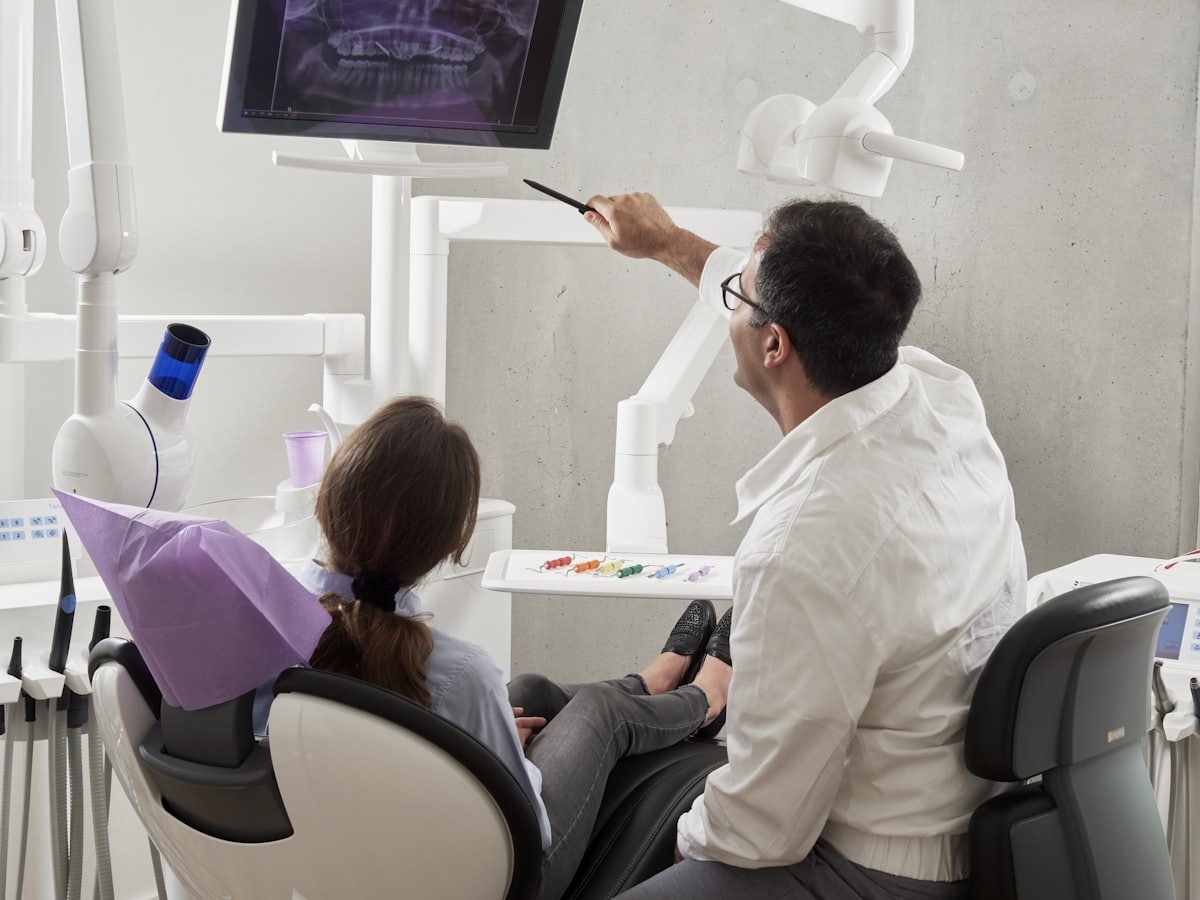
The first visit is diagnostic. We talk about what you don't like about your smile and what result you're hoping for, take photos and impressions, and sometimes do a mock-up so you can see roughly how the shape and shade will look before committing to anything permanent.
The second visit is preparation. A thin layer of enamel — usually less than a millimeter — is removed from the front of each tooth involved. This step is what makes veneers a one-way decision, which is why we spend real time on the planning stage first. Impressions go to a dental lab, and you'll wear temporary veneers in the meantime so you're never walking around with prepped teeth showing.
The third visit is placement. The permanent porcelain veneers are checked for fit and color, bonded into place, and adjusted for bite. Most patients are surprised at how quick and comfortable this final step is compared to what they expected.
What They Cost
Veneer pricing varies based on how many teeth you're treating, the material used, and the complexity of your case — a single chipped tooth is a very different project than a full smile makeover across ten teeth. Because there's no one-size-fits-all number, we always recommend getting a specific quote after a consultation rather than relying on a general estimate. Our financing and insurance page walks through how payment typically works and what options exist if you're spreading the cost out.
It's also worth knowing that veneers are almost always considered cosmetic, which means dental insurance typically doesn't cover them the way it covers fillings or crowns. That's not a reason to avoid the conversation — it's just useful to know going in.

Living With Veneers
Porcelain is stain-resistant, which is one of the reasons people choose veneers over whitening for long-term color control — if you've already tried whitening and found the results faded quickly, our honest guide to teeth whitening covers why that happens. Veneers don't discolor the way natural enamel can, so the shade you start with is largely the shade you keep.
Day to day, caring for veneers isn't much different from caring for natural teeth: regular brushing, flossing, and checkups. The main things to avoid are using your front teeth as tools (opening packages, biting fingernails) and, if you grind your teeth at night, skipping a nightguard — grinding is one of the few things that can chip or crack porcelain over time.
Is This the Right Fit for You?
The best way to know is to look at real examples and talk through your specific teeth with someone who can examine them in person. Our smile gallery shows actual before-and-after cases so you can get a sense of what's realistic, and a consultation lets us tell you honestly whether veneers, whitening, or something else entirely is the better match for what you're trying to fix. You can learn more about how we approach these cases on our veneers page.
If you've been thinking about veneers for a while, the next step is simple: come in, let us take a look, and get a straight answer about what your options are. Reach out whenever you're ready, and we'll take it from there.