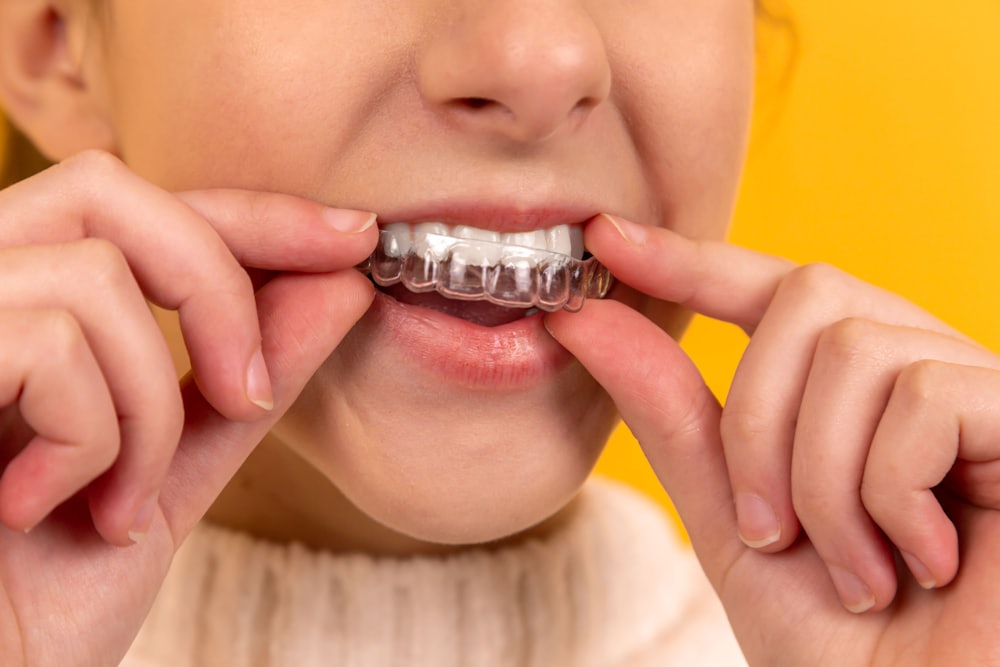
If the word "braces" still makes you picture a mouth full of metal, it might be time for an update. A lot of adults who'd never have considered orthodontics in their teenage years are straightening their teeth now, quietly, with clear trays that barely show in conversation. Invisalign has become the go-to option for people who want a better smile without changing how they look at work or in photos along the way.
This guide walks through how Invisalign actually works, who tends to be a good fit, and what the appointments look like from first consultation to final retainer. No pressure, just the plain facts so you can decide if it's worth a conversation.
The short version
- Invisalign uses a series of clear trays instead of metal brackets and wires
- Most adult cases take roughly 6 to 18 months depending on how much movement is needed
- You'll need to wear trays 20 to 22 hours a day and swap them every one to two weeks
- A consultation is the only way to know if your case suits aligners or needs traditional braces
Invisalign vs. Traditional Braces
Both methods do the same basic job: they apply steady, gentle pressure to move teeth into better positions over time. The difference is in the hardware.
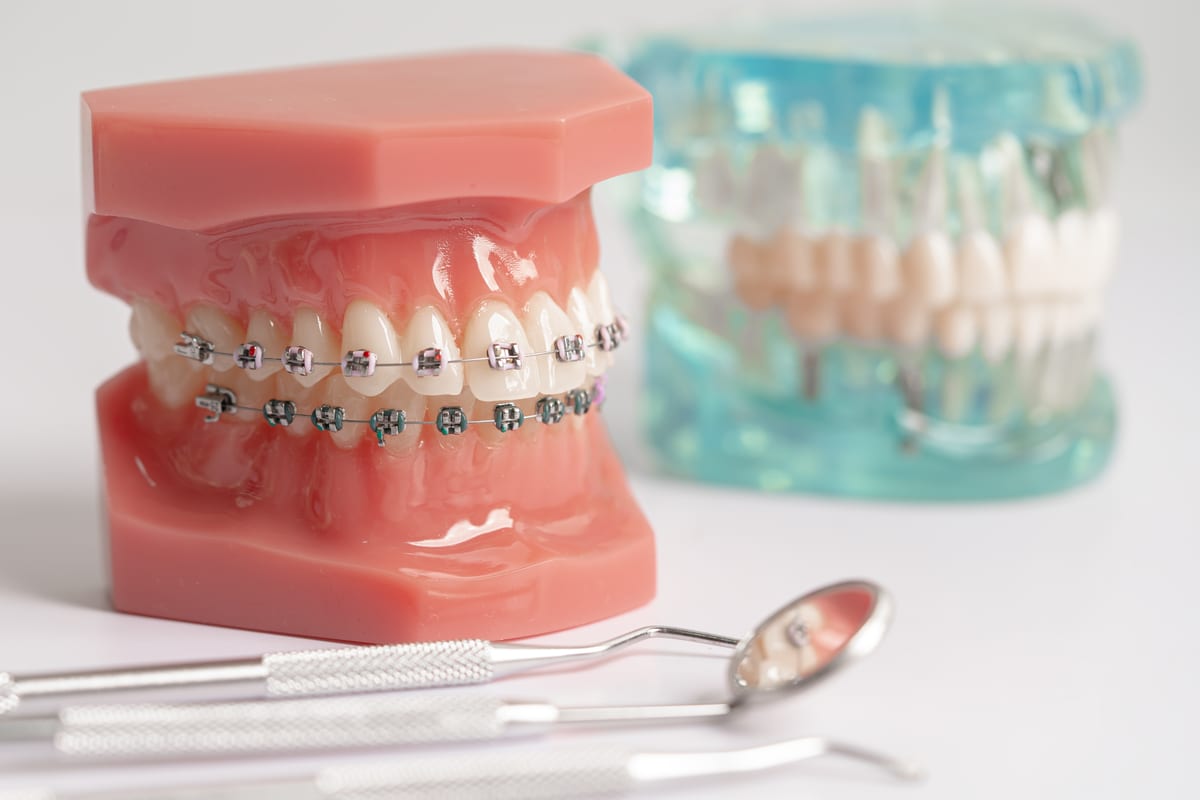
- Traditional braces use metal or ceramic brackets glued to each tooth, connected by a wire that's tightened at regular visits.
- Invisalign uses a series of clear, custom-made plastic trays that you swap out every one to two weeks as your teeth gradually shift.
- Braces are fixed in your mouth the whole time; Invisalign trays come out to eat, brush, and floss.
- Braces can sometimes handle more complex movements in a single continuous treatment; Invisalign has gotten remarkably capable but very severe cases may still call for braces.
For a lot of adult cases, especially mild to moderate crowding, gaps, or bite issues, Invisalign gets similar results to braces with a lot less visibility and fewer dietary restrictions.

Is Invisalign Right for You?
Invisalign has come a long way and now treats a wide range of issues, but it's not automatically the right tool for every mouth. Good candidates usually have:
- Mild to moderate crowding or spacing between teeth
- A bite that's off by a manageable amount, like a mild overbite, underbite, or crossbite
- Enough discipline to wear trays nearly all day, every day, since results depend on compliance
- Healthy gums and teeth, since active decay or gum disease usually needs treating first
Jaw and bite problems are worth mentioning to your dentist even if they seem unrelated to crowding. If you've been dealing with jaw clicking, soreness, or headaches, it's worth reading about how jaw pain can actually be a bite problem, since aligning your teeth sometimes resolves issues you didn't connect to your bite at all.
What to Expect, Step by Step
- Consultation. Your dentist examines your teeth, takes digital scans or impressions, and talks through whether Invisalign fits your goals and your bite.
- Treatment plan. Using the scans, a digital preview maps out how your teeth will move, tray by tray, so you can see roughly what the end result should look like before committing.
- Trays arrive. You receive a set of custom aligners, sometimes a few months' worth at once, sometimes in smaller batches.
- Wear and swap. You wear each tray about 20 to 22 hours a day, switching to the next one in the series every one to two weeks.
- Check-in visits. Every six to eight weeks, you stop in so your dentist can confirm things are tracking correctly and make any small adjustments.
- Retention. Once treatment finishes, you'll wear a retainer, usually at night, to keep your teeth from drifting back.
Living with Aligners
The biggest adjustment isn't the trays themselves, it's building the habit of wearing them consistently. A few things make it easier:
- Keep a travel case with you so you're never tempted to wrap a tray in a napkin (it will get thrown away eventually)
- Brush before putting trays back in after eating, to avoid trapping food against your teeth
- Set a reminder if you tend to lose track of time without trays in, since every hour out adds up
- Expect mild pressure or soreness for the first day or two of each new tray; it means the tray is doing its job
Unlike braces, there's nothing to avoid eating. You simply take the trays out for meals and snacks, which a lot of patients find to be the biggest everyday advantage.
How Long It Takes and What It Costs
Treatment time varies a lot depending on how much movement your teeth need. Minor spacing or crowding might wrap up in six months; more involved bite corrections can take closer to a year and a half. Your dentist will give you a realistic estimate at your consultation rather than a generic number, since every case is different.
Cost depends on the complexity of your case and the length of treatment. It's worth reviewing your options for payment and insurance coverage before you start, so there are no surprises partway through.
If you're weighing Invisalign against other cosmetic options entirely, it can help to see the fuller picture of what's available through cosmetic dentistry more broadly, since sometimes a combination of treatments gets you to your goal faster than one on its own.
Curious whether your smile is a good match for clear aligners? Dr. Omair Khan can take a look and walk you through your options, and our new patient page has everything you need to know about booking that first visit. Or just reach out through our Invisalign page to ask a question before you commit to anything.
Ready to see what's possible for your smile? Reach out to Khan Dental Studio whenever you're ready, we're happy to answer questions before you book anything.
Common questions
Can Invisalign fix an overbite or a crossbite?
Yes, Invisalign can correct many bite problems, not just crooked teeth. More severe bite issues sometimes need attachments on the teeth or a longer treatment plan, which your dentist can map out at your consultation.
Will I need a retainer after Invisalign?
Yes, retainers are part of every orthodontic treatment, including Invisalign. Teeth naturally drift over time, so a retainer, usually worn at night, keeps your results in place.
What happens if I lose or crack an aligner?
Call your dentist right away. Depending on where you are in your treatment, you may just move on to the next tray early or get a replacement made.