
Most people who call us about their smile are not asking for a makeover. They are asking about one specific thing — a chipped front tooth, a gray shade that photographs badly, a gap that has bothered them since high school. The phrase "cosmetic dentistry" sounds like a big commitment, and that can keep people from asking a small question.
So here is what actually happens if you book one of these appointments at our Mansfield practice. Not the brochure version. The real sequence, visit by visit, so you know what you are walking into before you walk in.
The short version
- The first cosmetic visit is mostly talking and photos — no drilling happens that day.
- Ask to see a preview or mock-up before any permanent work begins.
- Healthy gums and a stable bite come first; appearance work is built on top of them.
- Get the full written cost and number of visits before you agree to anything.
What falls under cosmetic dentistry
It is a broad umbrella, and that is part of why the term feels vague. The work we group under treatments focused on how your smile looks includes:
- Whitening — changing the shade of teeth you already have
- Bonding — tooth-colored composite shaped onto a chip, gap, or worn edge in one sitting
- Veneers — thin porcelain facings bonded to the front of teeth
- Crowns — full coverage when a tooth needs strength as well as a better shape
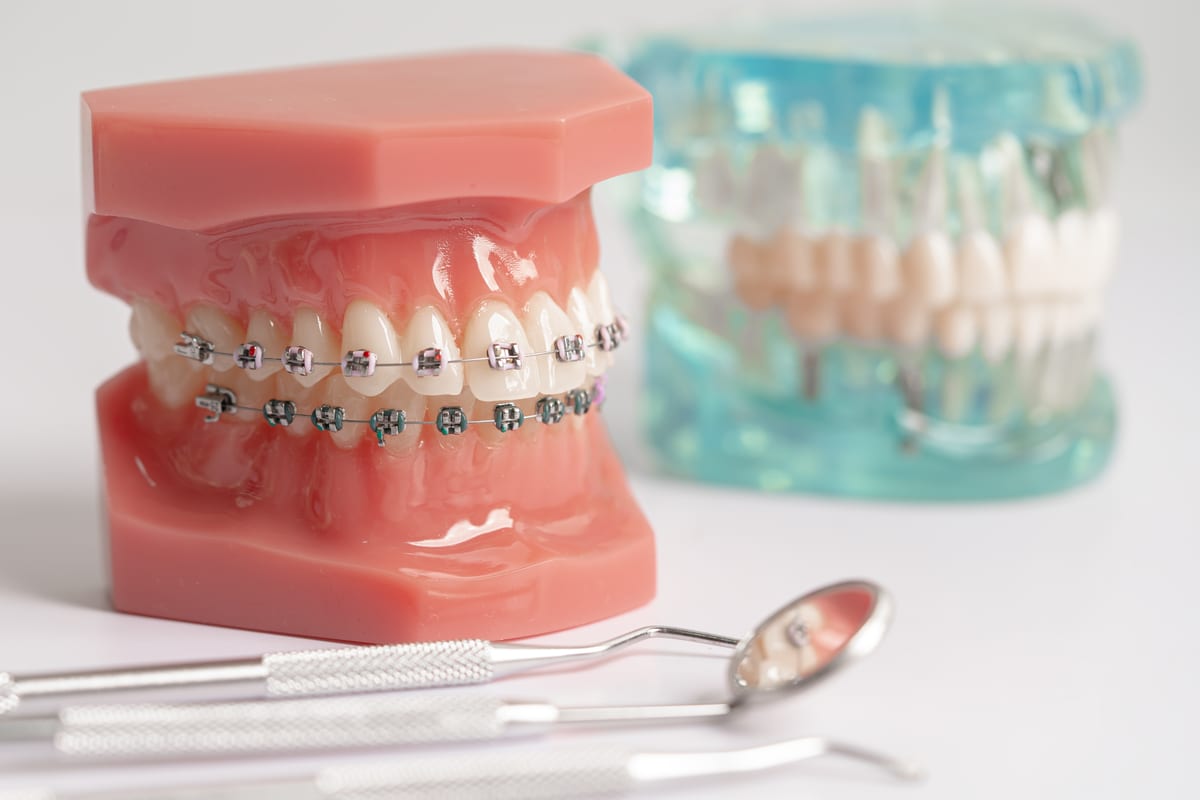
- Orthodontics — moving teeth rather than resurfacing them
- Gum recontouring — adjusting the gum line when teeth look short or uneven
Plenty of smiles need only one of these. Some need two in sequence. Almost none need all of them, despite what the before-and-after reels suggest.
Visit one: the conversation, not the drill
Nothing permanent happens at your first cosmetic appointment. It is a sorting-out visit, and it usually runs in this order:
- You describe the problem in your own words. "I hate this tooth" is a perfectly good starting point. Pointing at a mirror is better than any dental vocabulary.
- Dr. Khan examines the teeth you mentioned and the ones you did not — including the back teeth, because how they meet affects how long front-tooth work lasts.
- We take photos and sometimes a digital scan. Seeing your own smile at that size is strange the first time. It is also the fastest way to agree on what is actually bothering you.
- We check the foundation: gum health, decay, old fillings, any grinding wear.
- We lay out the realistic options, including the option of doing less than you came in asking for.
- You leave with a written plan — treatments, number of visits, and the full cost before you agree to anything.
If decay or gum inflammation turns up, we deal with that first. Cosmetic work placed over an unhealthy foundation does not last, and redoing it costs more than treating the problem would have.
The preview step people skip
For anything involving shape — veneers, bonding across several teeth, crowns on front teeth — there is a stage between planning and doing. We create a mock-up: either a digital design or a temporary composite shell placed right over your teeth so you can see the proposed shape in your own face.
This is the part worth slowing down for. You should see a version of the result before anything permanent is made. Look at it in daylight. Take a photo. Show someone whose opinion you trust. If the teeth look too long, too square, too bright — say so now. Changing a mock-up takes minutes. Changing bonded porcelain takes another appointment and another lab fee. Our gallery of finished cases from this practice can help you put words to what you want.

The treatment visits themselves
What happens next depends on which route you chose.
Whitening is the simplest — either a single in-office session or custom trays you take home and wear on your own schedule. We go through the honest trade-offs in our guide to what whitening can and cannot change, including why it does not work on crowns or fillings.
Bonding is usually one appointment. The tooth surface is lightly prepared, composite is layered and sculpted, then cured, trimmed and polished. Often no numbing is needed.
Veneers and crowns take two or three visits. First we reshape the tooth and take a scan or impression, then fit temporaries you wear for a couple of weeks. At the fit appointment we try the final restorations in before cementing — this is your last clear chance to adjust the shade or edge, and we expect you to use it.
Orthodontics runs on a different clock. If crowding is the real issue, straightening the teeth you already have sometimes removes the need for veneers altogether.
Afterward, and keeping it
Expect some gum tenderness for a day or two after bonded work, and occasional cold sensitivity that settles within a week or so. If your bite feels even slightly off after the numbness fades, call us — a thirty-second adjustment prevents months of jaw ache.
Long term, cosmetic dentistry needs the same care as everything else: regular cleanings, flossing around the margins where restorations meet tooth, and a nightguard if you grind. Porcelain does not stain much, but the natural teeth beside it will, so whitening is usually done before veneers rather than after.
If there is one tooth, or one thing about your smile, you have been quietly working around for years, come in and point at it. We will tell you what it would take to fix, what it would cost, and whether it is worth doing at all.
Common questions
How long does the whole cosmetic process take from start to finish?
It depends entirely on the treatment. Whitening can be done in a single visit, while veneers usually take two to three appointments spread over a few weeks. If orthodontics or gum work is needed first, the timeline stretches to several months.
Will cosmetic dentistry damage my natural teeth?
Some treatments remove a thin layer of enamel and some remove none at all. Whitening and bonding are generally conservative, while veneers and crowns require reshaping the tooth. We will tell you exactly how much tooth structure a plan involves before you commit.
What if I do not like the result?
This is why the preview stage matters. You should see and approve a mock-up or temporary version before anything permanent is made. If something looks or feels wrong at the try-in stage, say so — adjustments are expected and far easier before the final cementing.
Can I do cosmetic work if I have cavities or gum problems?
Those need to be handled first. Placing veneers or whitening over active decay or inflamed gums tends to cause problems later. Treating the underlying issue is usually quicker and cheaper than redoing cosmetic work that failed.